
NeSmith Preserve: Check the School-Day Access Window |
Plan a NeSmith Preserve visit in Fayetteville around weekday access windows, designated parking and a daylight wetland walk. |

NeSmith Preserve’s connection to the Starr’s Mill school complex makes timing the first decision for a Fayetteville visit. A weekend walk and a weekday stop follow different published access windows. Before planning a wetland outing, check the day, save the entrance directions and choose a return time with daylight remaining.
The Southern Conservation Trust’s NeSmith Preserve visitor page lists 101 Panther Path, Fayetteville. It directs visitors from Redwine Road through the South Complex Entrance, with designated preserve parking on the left near the trail. Use those directions to distinguish the visitor approach from other school-complex arrivals. Choose the access window before the walking routeThe detailed page lists weekday windows of 6:30–8:30 a.m. and 3:30–6:30 p.m. Weekend access is dawn to dusk, with dawn-to-dusk access also listed for winter and summer breaks. The rules section ties daytime access to school being out of session. Confirm any uncertain date with the Trust, and plan a daylight finish even when a posted clock time is later. |
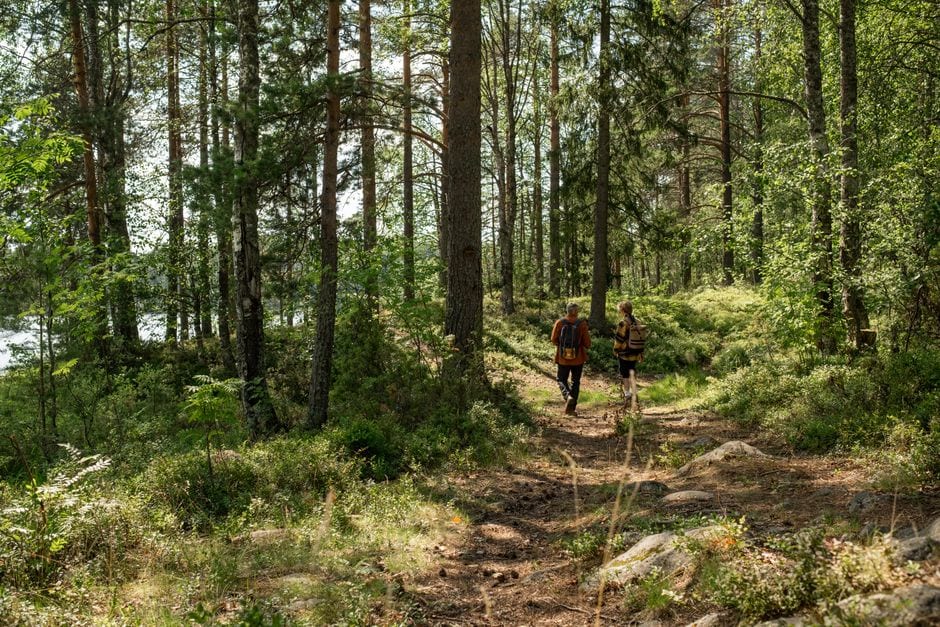 Illustrative walking stock photograph; not a photograph of this Georgia park. Photo by Ron Lach on Pexels |
Make one observation stop the purpose of the walkThe Trust describes a path past a pond and canal toward bottomland forest and a wetland boardwalk with an observation platform. For a first trip, use the map to choose one stopping point rather than promising everyone a complete circuit. Let the group’s pace and the conditions decide whether to continue.
From a designated viewing point, look across the water before taking a photograph. Notice where open water meets vegetation, then listen for movement before changing position. A child can look for a reflection, a bird shape or a change in leaf color without needing to identify a species. Give the same spot a few minutes before deciding the wetland is quiet.
The Trust’s nature areas overview lists free public access and gives its parks team’s contact. Ask ahead when a particular surface, slope or route width determines whether someone can join. A boardwalk description provides only part of that information, and current conditions can affect the approach. Save the reply with the map so the adult arranging transport can find both. |
 Illustrative walking stock photograph; not a photograph of this Georgia park. Photo by 飞 谢 on Pexels |
Keep school access and wildlife habitat in mindUse the designated visitor parking and follow current signs at the entrance. If the route is unclear, stop and check rather than driving farther through the complex in search of another gate. Share the confirmed address and arrival window with everyone coming separately, especially when a weekday visit falls close to school travel times.
Stay on the designated route to protect the wetland, keep dogs leashed and take waste with you. Wear footwear that suits the conditions and bring water. Decide on a turnaround while everyone is comfortable, allowing time for the return instead of using the full access window for the outward walk. A shorter visit leaves room for a slow observation stop.
For another wetland outing, our Newman Wetlands boardwalk guide gives a separate Hampton planning route. Our Ridge Nature Area first-walk guide covers a Fayetteville woodland option. Check each location’s current arrangements independently. At NeSmith, a clear entrance plan, appropriate access window and one patient look over the wetland are a useful first visit.
Before leaving the car, agree where everyone will regroup if plans change. Keep the group together at route decisions and make sure the return is comfortable for the person moving most slowly. |
0 Comments
Join the conversation
Be the first to comment
Share your thoughts above.