
Fayette County Library Genealogy: Start With One Family Question |
Fayette County Library genealogy resources: confirm database access, prepare one research question and keep a clear record of your findings. |
Fayette County Library genealogy research works best when a family story becomes a question you can actually investigate. Rather than trying to build an entire family tree in one sitting, choose one person, one approximate period and one fact you want to check.
The county’s Online Resources page lists Ancestry Library Edition for genealogy research alongside other digital tools. Start there instead of assuming that a commercial subscription screen is the library’s access route. Confirm with staff which access arrangements apply to that resource and your intended device.
The library is at 1821 Heritage Park Way in Fayetteville. Call 770-461-8841 before travelling if database access is the main purpose of the trip. A resource appearing on a list does not establish that every feature works from home or that every historical record has been digitized.
Our Fayette County PINES card guide explains borrowing-account preparation. Keep that process separate from the requirements of a particular research database; ask about the resource you actually plan to use. Bring a question, not an entire unsorted archive |
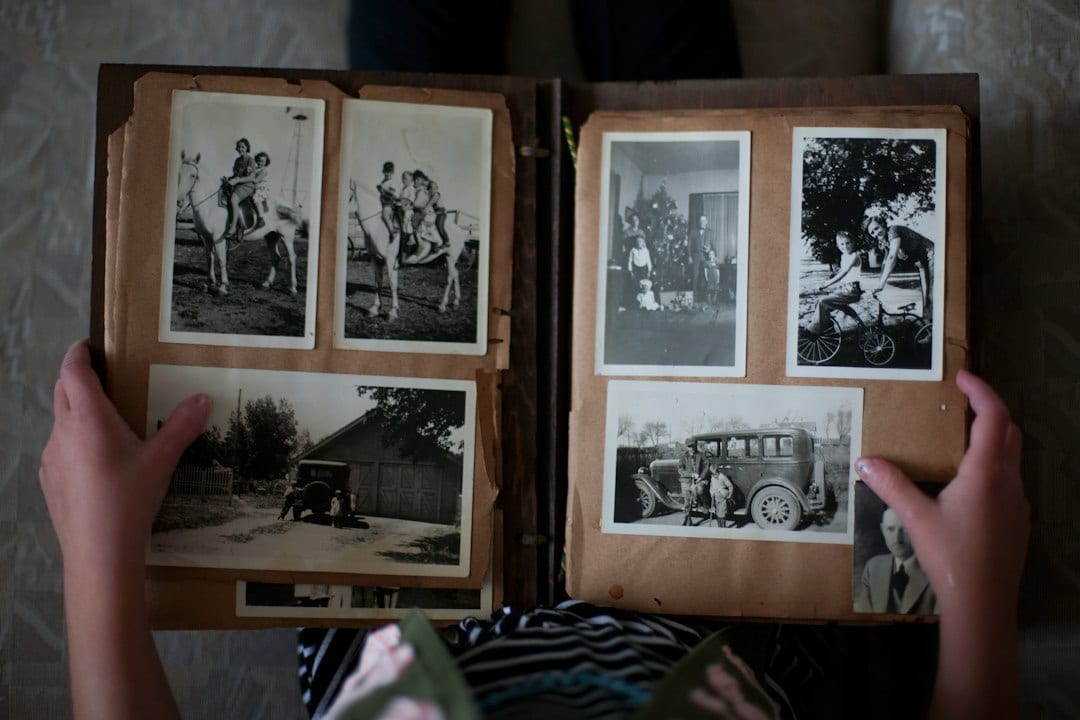 Illustrative stock photo of family photographs; not records from Fayette County Library or the reported researcher’s family. Photo by Laura Fuhrman on Unsplash |
Write down what you already know, where each detail came from and what remains uncertain. A useful starting note might identify a relative’s approximate birth year and a town associated with the family. Mark remembered details as recollections until a record supports them.
Bring copies or scans that help explain the question without risking irreplaceable originals. A dated photograph, an address on an envelope or a family document can suggest a next step. Obtain permission before sharing another living person’s private records or publishing family material online.
The National Archives introduction to genealogy research points beginners toward record types including census, military, immigration, naturalization and land records. Its tutorials and topic guides help explain what those records contain. Use the relevant guide to understand a record before treating a search result as an answer.
Prepare a simple research log with room for the collection name, search terms, date consulted and what you found. Include unsuccessful searches. That record helps you avoid repeating the same attempt and gives a librarian a clearer starting point when you need assistance. Separate a promising match from a confirmed connection |
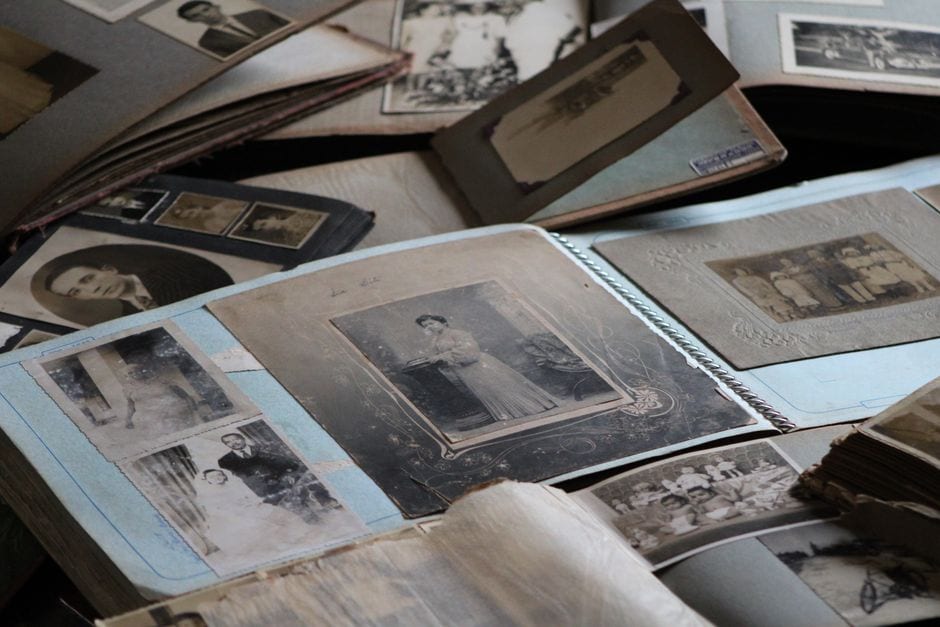 Illustrative stock photo of family photographs; not records from Fayette County Library or the reported researcher’s family. Photo by Thiago José Amaral on Pexels |
People can share a name without being the same person. Compare the place, period and family relationships rather than accepting the first plausible result. If a date conflicts with another document, preserve both references and record the disagreement instead of quietly choosing the more convenient version.
When an original image is available, examine it rather than relying only on a search index. Note uncertain handwriting and retain enough source information to find the item again. Keep a transcription separate from your interpretation so another reader can see how you reached a conclusion.
For a different kind of research outing, our Georgia Archives first-visit guide covers planning a trip to Morrow. Check the archive’s own current rules before taking a library question there; the two institutions have different collections and access procedures.
Arrange your notes so a future session can begin where this one ended, even if another family member continues the work. Before ending the session, save permitted copies, confirm that files open and sign out of any personal accounts. Leave with one supported finding or a better next question. A careful note about what remains unknown is more useful than an impressive-looking tree built on guesses. |
0 Comments
Join the conversation
Be the first to comment
Share your thoughts above.